
The Heartbeat of a Nation: The Irish Harp
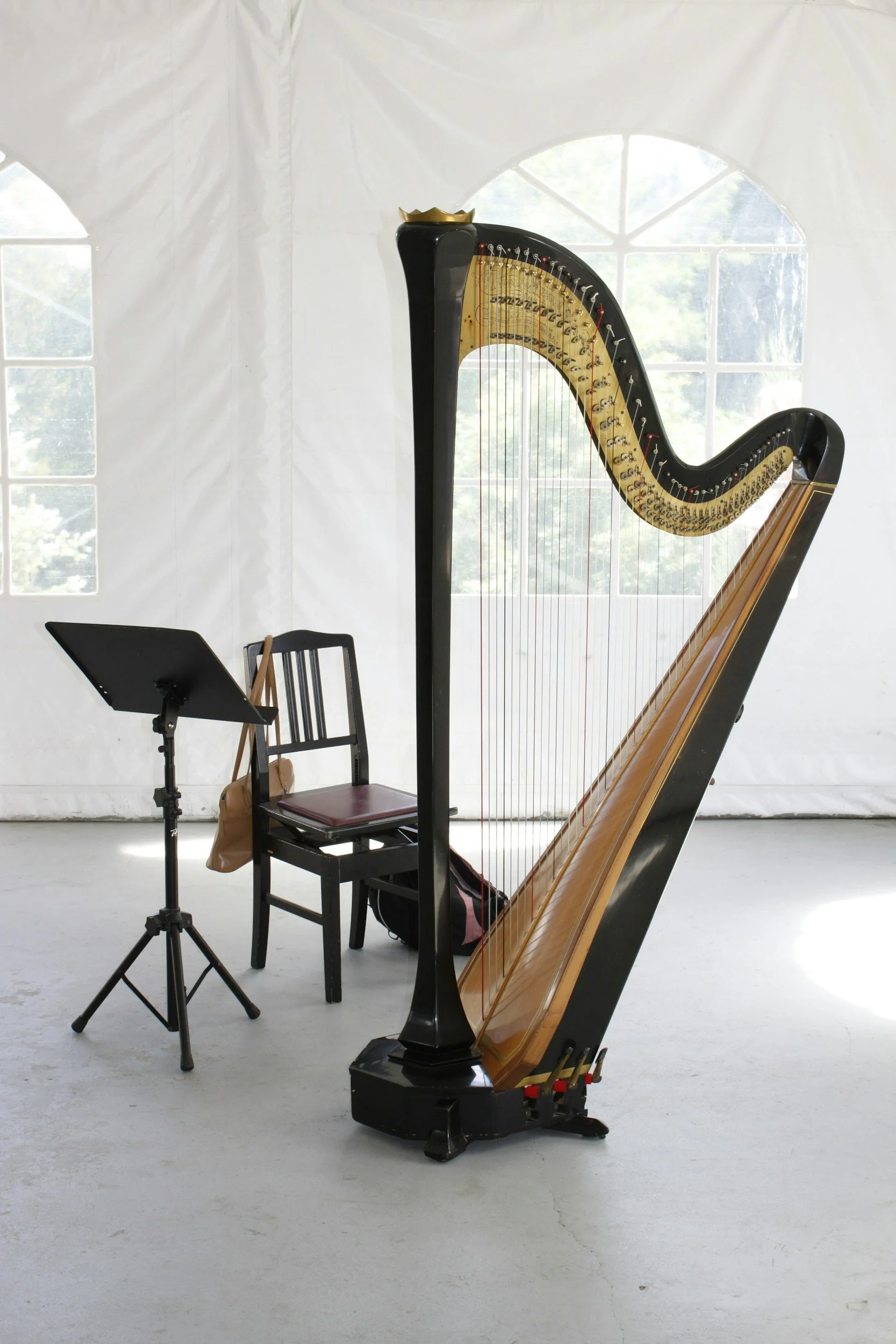
If you have looked at an Irish euro coin, a government document, or a pint of Guinness recently, you have already seen it.
Ireland is the only country in the world that uses a musical instrument as its national emblem. But for anyone moving here, it is important to know that the Irish Harp is not just a corporate logo or a piece of history locked behind glass.
It is a living, breathing tradition that still soundtracks the island today.
As we move toward St. Patrick’s Day, when Irish culture is celebrated globally, we want to shine a light on the Irish Harping tradition—and why it represents the very soul of the communities we help our clients settle into.
More Than Musicians: The Elite of the Old World
To truly understand the harp, you have to realize that in ancient Gaelic Ireland, the harper was not just a background entertainer playing tunes in the corner of a room. They were the power players of their day.
Ranked just below royalty, harpers sat at the right hand of kings and chieftains. They served as the political advisors, historians, and storytellers of the era, holding the power to elevate a leader's legacy or destroy their reputation with a single composition.
Playing the traditional wire-strung cláirseach, their music was complex, echoing, and bell-like. In fact, the music was so revered that ancient legends claimed a master harper’s music possessed three distinct magical abilities: the power to induce deep sorrow, the power to spark uncontrollable joy, and the power to bring on a heavy, peaceful sleep.
Turlough O'Carolan: The Meath Connection
You cannot talk about the Irish harp without talking about Turlough O'Carolan (1670–1738).
Blinded by smallpox at the age of 18, Carolan became an itinerant harper, travelling the country on horseback to play for the great houses of Ireland. He is effectively Ireland’s national composer, blending traditional Irish melodies with the baroque styles sweeping Europe at the time.
Carolan's legacy is deeply tied to the Boyne Valley and County Meath. He spent formative years in the town of Nobber, Co. Meath, where his patrons, the Cruise family, lived. Today, Nobber hosts the annual O'Carolan Harp Festival, drawing musicians from all over the world. When you explore the towns of Meath and the surrounding commuter belt, you are walking through the very landscape that inspired some of the greatest music ever written.
The Original Emblem: The Dublin Connection
While O'Carolan roamed the countryside, the physical symbol of the Irish harp is deeply anchored in the heart of Dublin.
If you want to see the exact instrument that inspired the Irish national emblem (and the famous stout logo), you only need to walk through the cobbled squares of Trinity College Dublin. Housed in the spectacular Long Room of the Old Library sits the "Brian Boru Harp" (also known as the Trinity College Harp).
Dating back to the 14th or 15th century, it is the oldest surviving Irish harp in the world. Carved from a single block of willow, it is a masterclass in medieval craftsmanship. For anyone living in or visiting Dublin, standing in front of this ancient, battle-scarred instrument offers a tangible, grounded connection to the island's profound artistic roots.
A Living Tradition
The harping tradition was almost entirely wiped out in the 18th and 19th centuries due to political suppression and changing cultural tastes.
But Ireland rarely lets its history die.
Thanks to dedicated musicians and historians, the tradition was rescued. Today, Irish Harping is experiencing a massive renaissance and has been officially recognized on the UNESCO Representative List of the Intangible Cultural Heritage of Humanity. Go to any local Fleadh (traditional music festival) across the country today, and you will see a new generation of young people carrying their harps, keeping the ancient music alive.
At GoldGro, we don't just know the property market; we know the stories, the history, and the culture that make each county special. Contact us today to find your place in Ireland's rich landscape.