
The Ancient Legacy of Halloween in the Boyne Valley
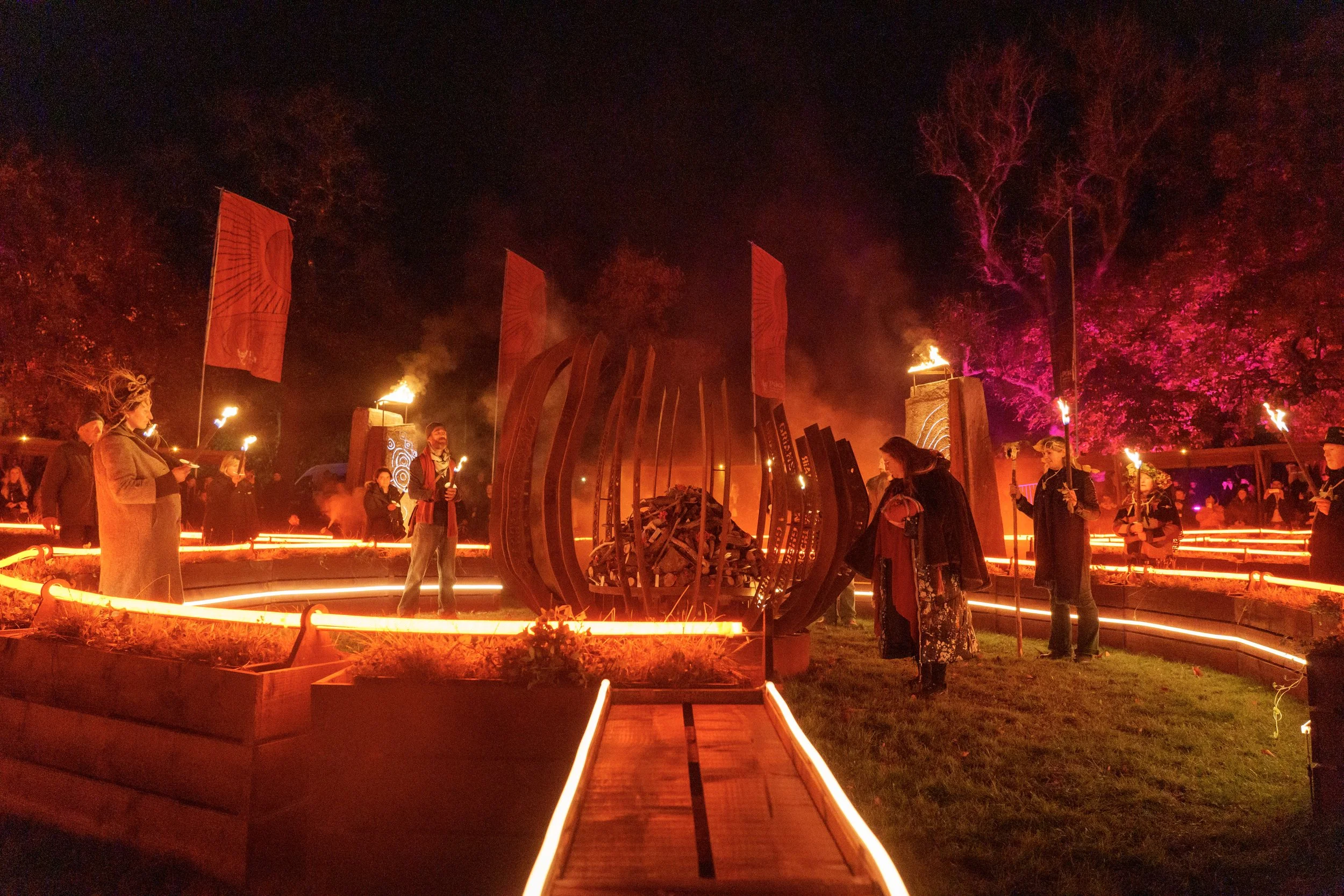
Just over a week away, the familiar signs of Halloween appear all around us: pumpkins on doorsteps, spooky decorations, and shops filled with sweets. But long before the world embraced the fun of modern Halloween, its ancient, mystical spirit was born right here in Ireland.
This festival, known to Ireland’s Celtic ancestors as Samhain (pronounced 'Sow-in'), is not just a historical curiosity. It is a living tradition, and its very heart beats strongest here in the Boyne Valley, the cradle of ancient Irish civilisation.
The Spooky Story of Samhain
Samhain was one of the most important dates in the Celtic calendar. It marked the end of the harvest, the end of the "lighter half" of the year, and the beginning of the darker half. But it was more than just an ancient New Year's Eve; it was considered a deeply spiritual and supernatural time.
The Celts believed that on the night of Samhain, the veil between our world and the Otherworld was at its thinnest. This meant that spirits, faeries, and the souls of the dead could pass through and walk among the living. This liminal, magical time is the true origin of Halloween's spooky and mysterious character.
The Sacred Bonfire: The Hill of Ward, County Meath
While many parts of Ireland have Samhain traditions, ancient texts tell us that the festival's most important rituals began at one specific, sacred site: the Hill of Ward, or Tlachtga, located just a few miles from Athboy, County Meath.
Tlachtga was the location of the Great Bonfire Festival. On the eve of Samhain, all fires across the land were to be extinguished. Druids would then light a huge, sacred bonfire on this hill, and embers from this fire would be carried to homes throughout the provinces to relight their own hearths for the winter. It was a powerful ritual of community, of ending and beginning, and of bringing light into the darkness.
When you live in Meath, you're not just near history; you are living at its source. The very birthplace of Halloween is right on your doorstep.
From Turnips to Pumpkins: How Ancient Traditions Live On
Many of our modern Halloween traditions are direct descendants of ancient Samhain practices:
Costumes: The Celts would wear costumes and masks made of animal skins to disguise themselves from the malevolent spirits they believed roamed the earth on that night.
Jack-o'-Lanterns: The tradition of carving faces to ward off evil spirits began in Ireland, not with pumpkins, but with hardy turnips, which were hollowed out and lit from within by a piece of coal.
Bonfires: While the great fire at Tlachtga is a thing of the past, bonfires remain a central part of Halloween night in many communities across Ireland.
Experience the Real Magic Today
This powerful legacy is not just remembered; it is actively celebrated. The modern Púca Festival, held annually in locations around Meath like Trim and Athboy, is a spectacular celebration of the authentic spirit of Samhain, blending music, mythology, food, and dazzling light shows.
To experience Halloween in the Boyne Valley is to connect with the real magic of the festival. It’s to understand that it is more than just candy and costumes, it is a deep and ancient ritual, born of this very landscape.
Living in Ireland means being part of a culture that is thousands of years in the making. If you are drawn to a life rich with history, folklore, and authentic magic, the Boyne Valley is waiting. Contact GoldGro to find your home at the heart of it all.