
The True Birthplace of Halloween: Tracing Ireland’s Ancient Roots of Samhain
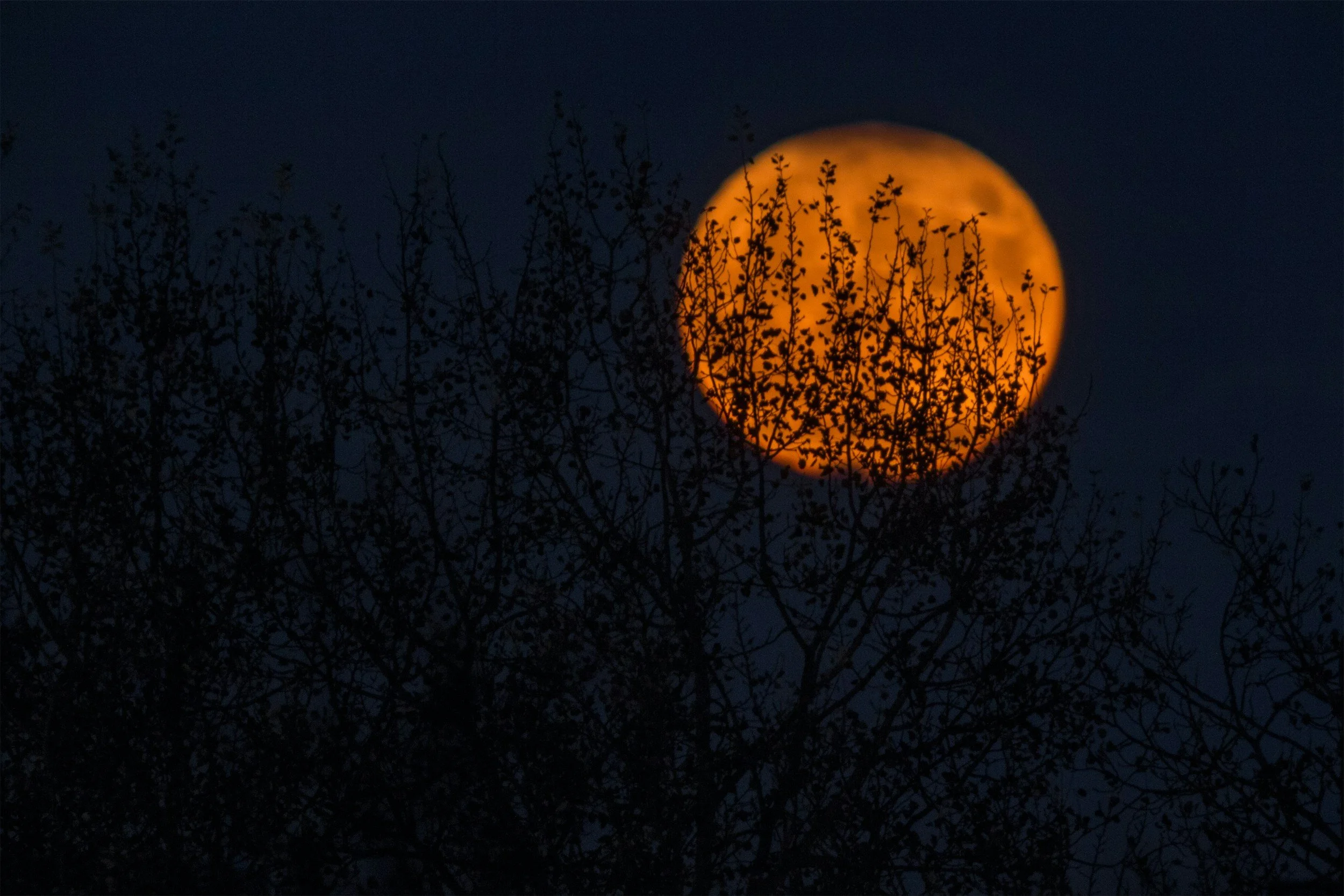
Before the commercialization of candy, costumes, and Hollywood horror, Halloween was a deeply spiritual turning of the calendar born in the ancient fields of Ireland.
For international families relocating to the Emerald Isle this autumn, late October offers more than just a seasonal shift. It is a profound opportunity to experience the authentic origins of the world's most mysterious holiday exactly where it began over 2,000 years ago.
Samhain and the Thinning Veil
What the modern world calls Halloween originated as Samhain (pronounced sow-in), the ancient Celtic New Year. Marking the end of the pastoral harvest and the onset of the dark, cold winter, Samhain was considered a liminal time, a threshold.
The Celts believed that on the night of October 31st, the veil separating the physical world from the Otherworld (the realm of the Aos Sí, or spirits and fairies) became its thinnest. This allowed the souls of departed ancestors to cross back over and visit their living relatives.
To welcome familiar spirits, families left food and drink at their doors. However, to protect themselves from malevolent entities crossing the veil, the Celts disguised themselves in animal skins and masks, the ancient precursor to modern Halloween costumes—ensuring they could wander the countryside without being recognized by the wandering dead.
The Sacred Fire of Tlachtga
The epicenter of ancient Samhain was not a haunted house, but the Hill of Ward in County Meath, situated in the Boyne Valley. Anciently known as Tlachtga (named after a powerful druidess of Irish mythology), this hill served as the ceremonial heart of the festival.
Historical texts and archaeological evidence reveal that the Druids gathered at Tlachtga on the eve of Samhain to light the first great winter fire. All other hearth fires across Ireland were extinguished, and it was mandated that they could only be relit using an ember taken from the sacred bonfire at Tlachtga. This act bound the community together, signifying light and survival through the coming darkness.
The Journey to America: From Turnips to Pumpkins
How did an ancient Irish pagan festival become a global commercial juggernaut? The answer lies in the mass emigration of the 19th century.
Fleeing the Great Famine in the 1840s, millions of Irish immigrants arrived in North America, bringing their folklore and seasonal traditions with them. They merged their customs with those of other European immigrants. The most famous adaptation involved the jack-o'-lantern. In Ireland, people carved frightening faces into root vegetables, primarily turnips and potatoes, placing a burning coal inside to ward off evil spirits. Upon arriving in America, the Irish discovered that the native pumpkin was far easier to carve, forever altering the aesthetic of the holiday.
Meanwhile, the Christian church had previously attempted to absorb Samhain by designating November 1st as All Saints' Day (All Hallows). The night before simply became All Hallows' Eve, eventually contracting into the word "Halloween."
Experiencing the Ancestral Traditions in 2026
Today, Ireland is aggressively reclaiming its status as the authentic home of Halloween, shifting away from Americanized tropes to celebrate the raw, elemental roots of the festival.
If you want to experience the true essence of the holiday this year, the epicenter of the celebration remains the Boyne Valley in County Meath. From October 29 to November 1, 2026, the towns of Trim and Athboy (located at the foot of the Hill of Ward) will host the Púca Festival.
Named after a shape-shifting creature of Celtic folklore, the festival is a multi-day immersion into Ireland's pagan past, featuring:
The Lighting of the Samhain Fire: A dramatic recreation of the ancient Druidic ceremonies at the Hill of Ward.
Folklore and Feasting: Traditional Irish storytelling, harvest feasts, and immersive mythological tours.
Modern Celebrations: Fire spectacles, contemporary Irish music, and street performances winding through the shadow of the 12th-century Trim Castle.
For expats settling into their new Irish estates this season, embracing the history of Samhain provides a deep, immediate connection to the cultural bedrock of your new home.