
Reflections on Freedom and a ‘Big Beautiful Bill’
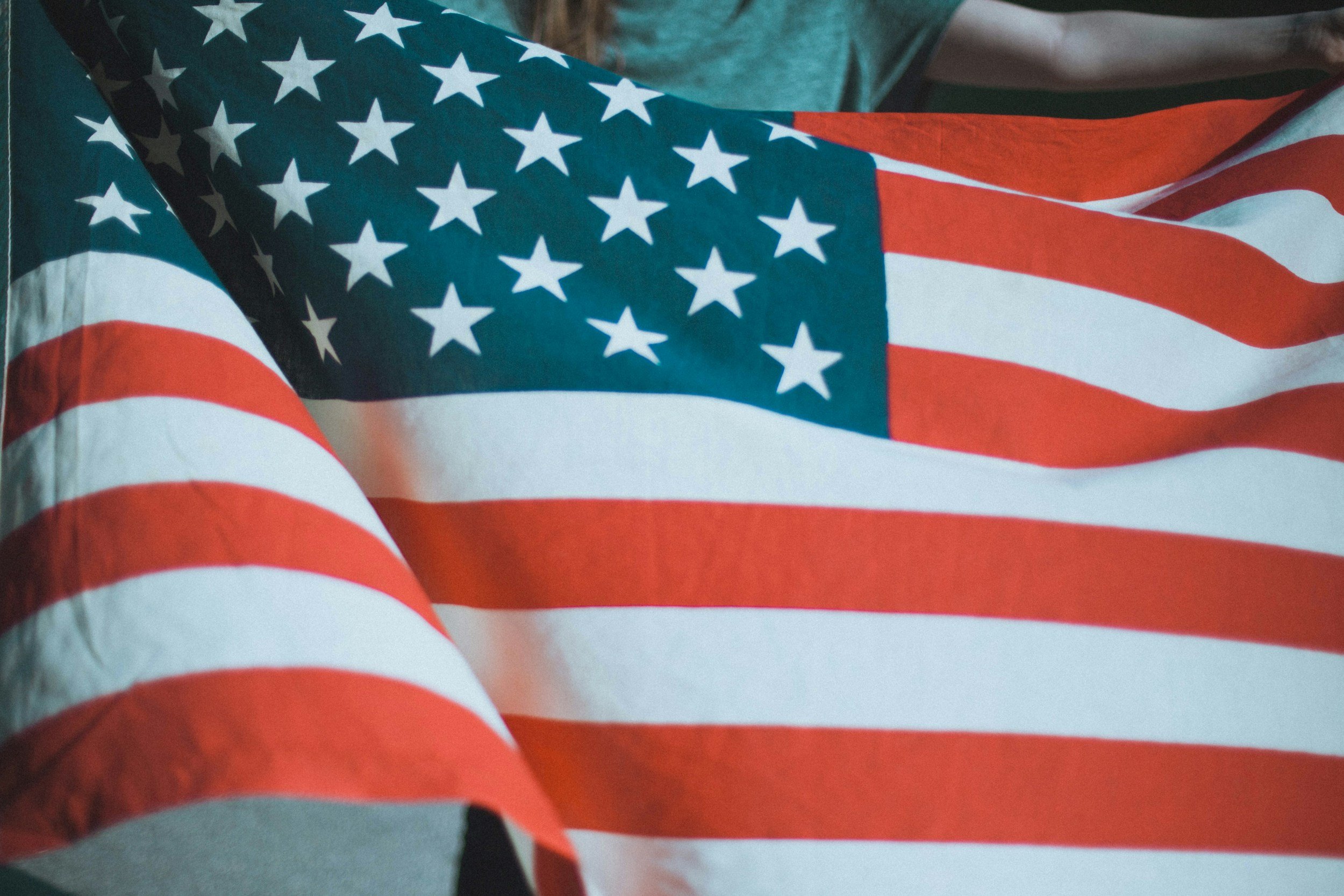
As the fireworks from the Fourth of July have faded, it offers a moment to reflect on the nature of independence and the complex machinery of government that follows. The recent American holiday celebrates a singular, revolutionary moment in history. In contrast, a piece of proposed US legislation, nicknamed the "One Big Beautiful Bill," showcases the intricate and often contentious process of governing that comes long after independence is won.
Celebrating Independence
For the United States, July 4th marks the anniversary of a foundational event: the adoption of the Declaration of Independence in 1776. This document formally declared that the 13 American colonies were separating from British rule, establishing a new nation built on the ideals of self-determination and inalienable rights. The day has since become the most important secular holiday in the US, celebrated with fireworks, parades, barbecues, and family gatherings—traditions that date back to the very first anniversary in 1777.
Here in Ireland, the path to independence was more of a gradual process, and as a result, there isn't one single day that's commemorated in the same way. Key milestones include the Easter Rising of 1916, the Anglo-Irish Treaty of December 1921 that established the Irish Free State, and the Republic of Ireland Act, which formally created the Republic in 1949. While St. Patrick's Day is the national holiday, the anniversary of the Dáil Éireann's first meeting and its Declaration of Independence on January 21, 1919, is another pivotal date in the nation's journey.
The Story of the ‘One Big Beautiful Bill’
Pivoting from the establishment of nations to the modern-day challenge of running them, the "One Big Beautiful Bill Act" offers a fascinating case study in recent US politics.
This was not the official title of any enacted law, but a phrase popularised by President Donald Trump to describe his administration's goal for a comprehensive piece of legislation during his second term. Signed into law on July 4, 2025, the One Big Beautiful Bill (OBBB) Act is a budget reconciliation law that contains the core tax and spending policies of President Trump's agenda.
The act makes permanent the extensive tax cuts from 2017 and introduces new tax breaks, such as the elimination of federal taxes on tips for many workers. It also enacts significant spending cuts to programmes like Medicaid and the Supplemental Nutrition Assistance Program (SNAP), often called food stamps, by implementing stricter eligibility and work requirements. Furthermore, the bill allocates hundreds of billions of dollars toward border security and immigration enforcement while rolling back green energy tax credits that were established in the prior administration. The legislation passed the House of Representatives by a narrow 218-214 vote before being signed by the president.
The bill fulfilled key campaign pledges to make his first-term tax cuts permanent but also drew criticism for cutting Medicaid benefits, which he had promised not to touch. The Congressional Budget Office (CBO) estimated the bill would add approximately $2.8 trillion to the national debt by 2034 and cause 10.9 million Americans to lose health insurance coverage. The legislation represents a major reshaping of federal priorities and a significant, if controversial, legislative victory for the administration.