
Are You Coming Home for Christmas? What to Know if You’re Thinking of Staying
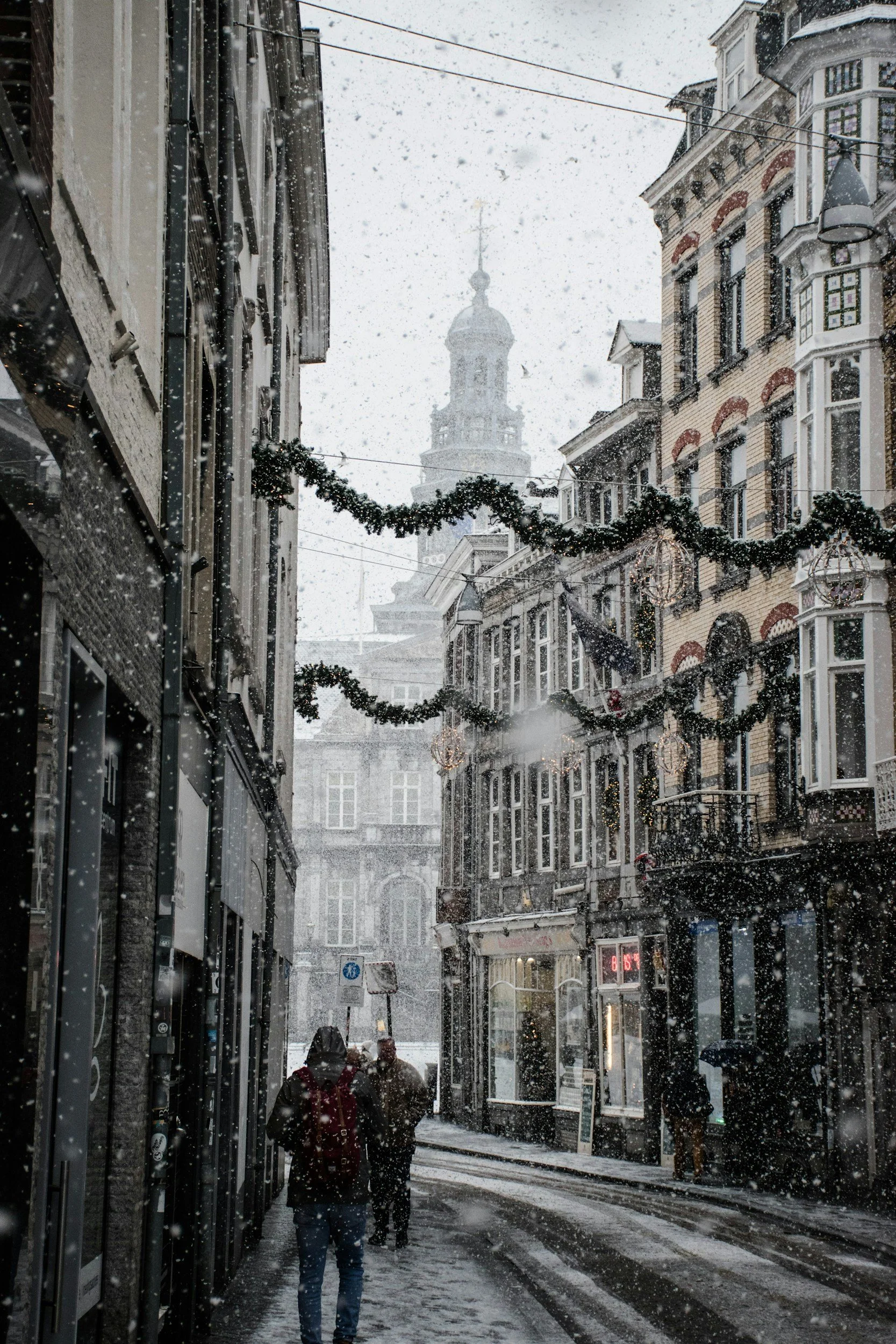
The lights are on, the festive adverts are playing, and the great migration has begun. All over the world, thousands of people are packing bags, braving airports, and making the journey home to Ireland for Christmas.
It’s a feeling like no other. The moment you step into the arrivals hall, the familiar sounds, the hugs from family, the chill in the air, it’s a powerful reminder of all the reasons you love this place.
And for many, that feeling quickly sparks a question: "What if this year... I stayed?"
That thought, whispered over a pint with old friends or during a walk on a familiar beach, is a powerful one. You start to notice the new businesses in your hometown, the thriving job market, and the unbeatable quality of life. But you also hear the stories: about the housing crisis, the cost of living, and the challenge of starting over.
If you're one of the many "Christmas visitors" who is secretly (or not so secretly) planning a permanent move, that holiday feeling is the perfect starting point. The next step is a practical one.
Here’s a clear-eyed look at the realities, both the challenges and the incredible opportunities, of making the move home in 2026.
The Big One: The Housing & Rental Market
Let's start with the toughest part. Anyone here will tell you the housing market is the single biggest challenge. To be blunt: it is in a state of crisis. Demand across the entire country, for both rentals and purchases, is far higher than the available supply.
For Renters: The market is incredibly competitive, especially in cities. In Dublin, a two-bedroom apartment can average over €2,300, and you'll be competing with many others for a viewing. In the first half of 2025, there were fewer than 2,500 homes available to rent in the entire country.
For Buyers: The news is more stable, but still challenging. House prices have continued to rise (up around 8% in 2025), driven by the same lack of supply.
The GoldGro View: The key is to have a plan and be strategic. Don't just look at Dublin. The surge in hybrid and remote work means towns in the commuter belt—especially in our home county of Meath—are now more viable than ever. A town like Kells, for instance, offers a fantastic community and more value for your money, all while being a straight shot to Dublin via the M3. But you must have your mortgage approval-in-principle and be ready to act before you start looking.
The Good News: The Job Market is Booming
While the housing market is tough, the job market is the exact opposite: it’s an employee's market. Ireland's economy is resilient, with low unemployment and significant skills gaps in key sectors.
Companies in Tech, Pharma, Life Sciences, and Finance are constantly hiring. In fact, many returning emigrants find their international experience puts them at the top of the list, often securing a higher salary than they might have otherwise.
We are also seeing a significant trend of people moving from the US to Ireland, with nearly 10,000 arrivals in the past year. They are coming for the safe environment, the career opportunities, and the work-life balance that Ireland offers.
The Practical Hurdles: Driving, Visas & Banking
The "big picture" of a job and a house is just the start. The small, practical details are what can cause the most frustration.
Bringing a Partner? If your spouse or partner is a non-EEA citizen (e.g., from the US, Australia, or Canada), they will need a visa. While you, as an Irish citizen, have the right to bring them home, it’s a process that requires a mountain of specific paperwork. You must start this process well in advance.
Getting on the Road: This is a major shock for many, especially those returning from the US. Your US or Australian driver's license cannot be exchanged for an Irish one. You will have to take the driver theory test, the 12 Essential Driver Training (EDT) lessons, and the full Irish driving test. This is a costly and time-consuming process to factor in.
Getting Started: You’ll need a Personal Public Service (PPS) number to do almost anything (work, access public services). You can only apply for this once you are back in the country and have proof of address—which, as you can imagine, is tricky to get when you first land.
The Verdict: That Holiday Feeling Can Be Your Reality
Yes, the challenges are real. The cost of living is higher than in the UK, and the housing market will test your patience.
But that feeling you get when you come home for Christmas? That sense of community, safety, connection, and "craic" that you can't find anywhere else in the world? That is real, too. And it's something you can have all year round.
The difference between a holiday dream and a successful new life is preparation. This Christmas, as you soak it all in, start to think practically.
Have the tough conversations about location and lifestyle.
Start saving.
Connect with recruiters on LinkedIn before you move.
Talk to a solicitor about the visa process for your partner.
That "what if" feeling doesn't have to fade with the Christmas lights.
If you're ready to turn that question into a plan, we're here to help. The GoldGro team specialises in helping people navigate the complexities of moving back to Ireland. We can help you find your footing, understand the property market, and finally make that move for good. Let's talk.